
Attendance strategy grounded in how people actually use the office
Understand why teams come in—collaboration, mentoring, relationships—and align policies, space, and analytics to those patterns.
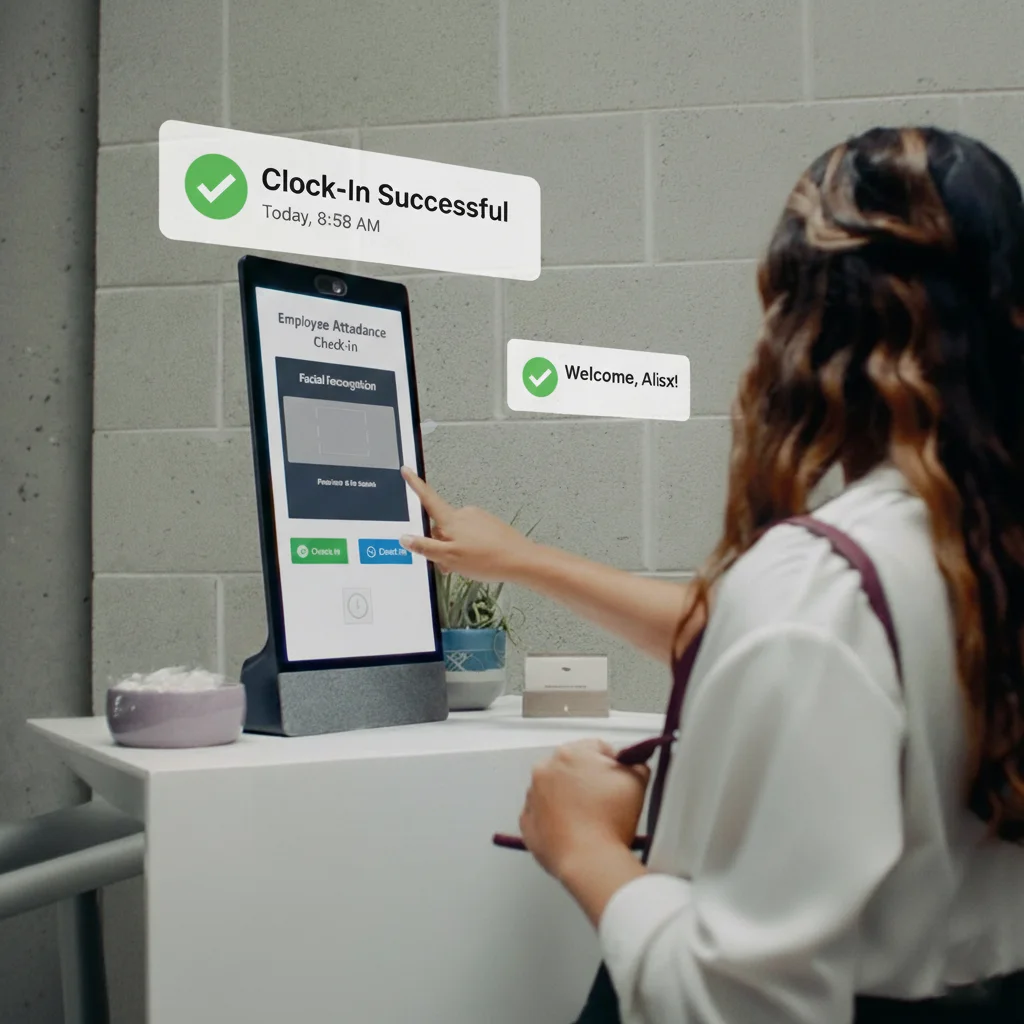
Office Attendance Strategy
Offision





People come for connection—not empty seats
Strong attendance strategies start with purpose: make in-office days useful for collaboration and culture, then measure whether space and policy support that intent.
Collaboration days
Design attendance around meetings, workshops, and team time—not blanket seat counts.
Mentoring and relationships
Support the informal learning and connection that remote weeks cannot fully replace.
Employee autonomy
Balance clear expectations with flexible booking so people can plan commute and focus work.

Anchor days, peaks, and space preferences
Most offices see uneven demand: midweek peaks, quiet Mondays or Fridays, and preferred neighborhoods. Visibility turns those patterns into better decisions.
- Anchor days — Coordinate team in-office days with desk and room capacity so collaboration is intentional.
- Attendance peaks — Spot crowded floors and underused zones before you lease or redesign space.
- Commute and preference friction — Let booking and maps reduce hunting time so coming in feels worth the trip.

Link attendance strategy to design and analytics
Combine attendance tracking, occupancy sensors, and workplace analytics so policy changes show up in utilization and experience metrics.
- Attendance check-in and policies for hybrid schedules
- Occupancy analytics and heatmaps for space decisions
- IoT signals that validate real presence vs. reserved capacity
Office attendance strategy questions
Why do employees choose to attend the office?
Common reasons include collaboration, mentoring, relationship-building, and focused team rituals—not simply sitting at a desk all day.
What are anchor days in a hybrid workplace?
Anchor days are coordinated in-office days when teams plan to collaborate together. They work best when desk and room capacity are visible and bookable.
How does attendance data improve workplace design?
Attendance and occupancy analytics reveal peak days, preferred zones, and unused inventory so leaders can adjust layouts, policies, and seating models.
How does Offision support attendance strategy?
Offision combines attendance tracking, desk booking, floor maps, IoT occupancy signals, and analytics so strategy connects to day-to-day operations.
Turn attendance intent into measurable workplace outcomes
Start with Offision attendance and analytics—or talk with us about your hybrid schedule and space plan.