Understand why teams come in—collaboration, mentoring, relationships—and align policies, space, and analytics to those patterns.
辦公室考勤策略
Offision
Strong attendance strategies start with purpose: make in-office days useful for collaboration and culture, then measure whether space and policy support that intent.
Design attendance around meetings, workshops, and team time—not blanket seat counts.
Support the informal learning and connection that remote weeks cannot fully replace.
Balance clear expectations with flexible booking so people can plan commute and focus work.
Most offices see uneven demand: midweek peaks, quiet Mondays or Fridays, and preferred neighborhoods. Visibility turns those patterns into better decisions.
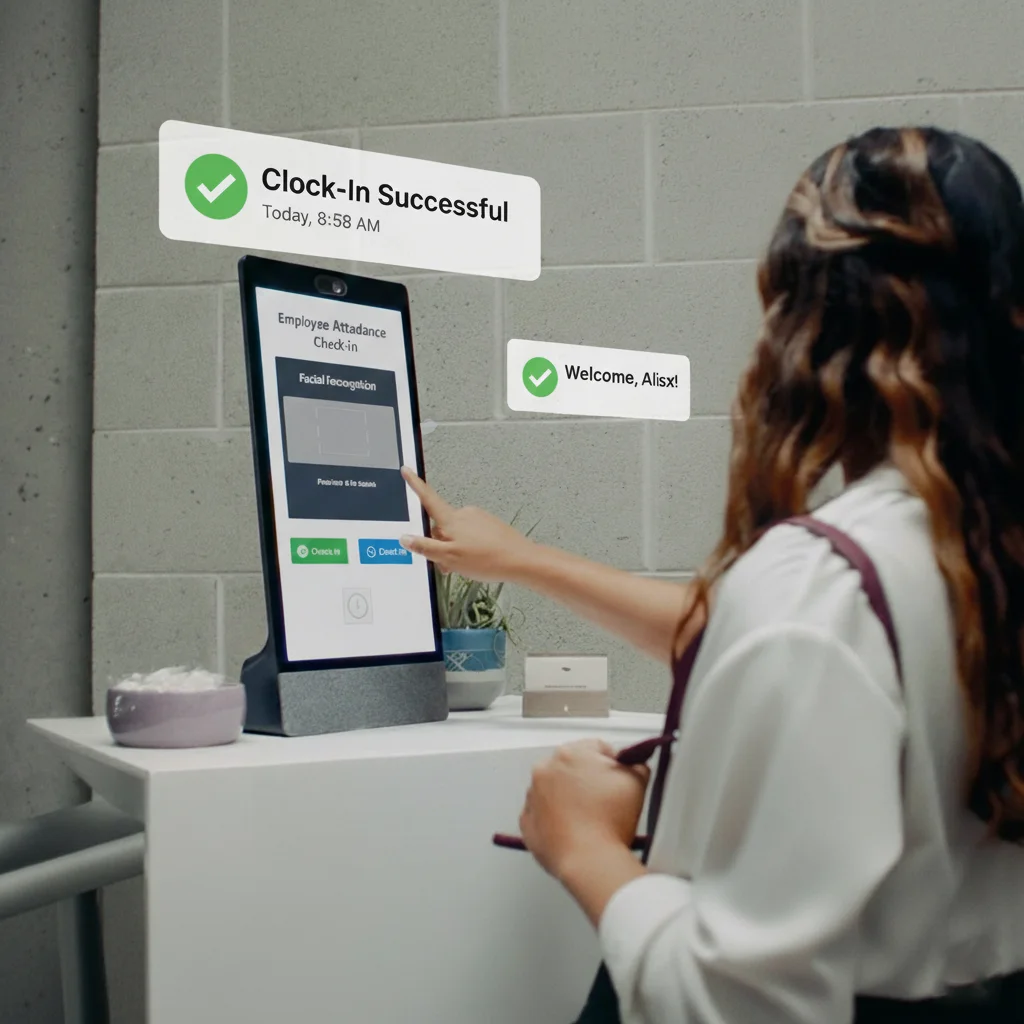
Combine attendance tracking, occupancy sensors, and workplace analytics so policy changes show up in utilization and experience metrics.
Common reasons include collaboration, mentoring, relationship-building, and focused team rituals—not simply sitting at a desk all day.
Anchor days are coordinated in-office days when teams plan to collaborate together. They work best when desk and room capacity are visible and bookable.
Attendance and occupancy analytics reveal peak days, preferred zones, and unused inventory so leaders can adjust layouts, policies, and seating models.
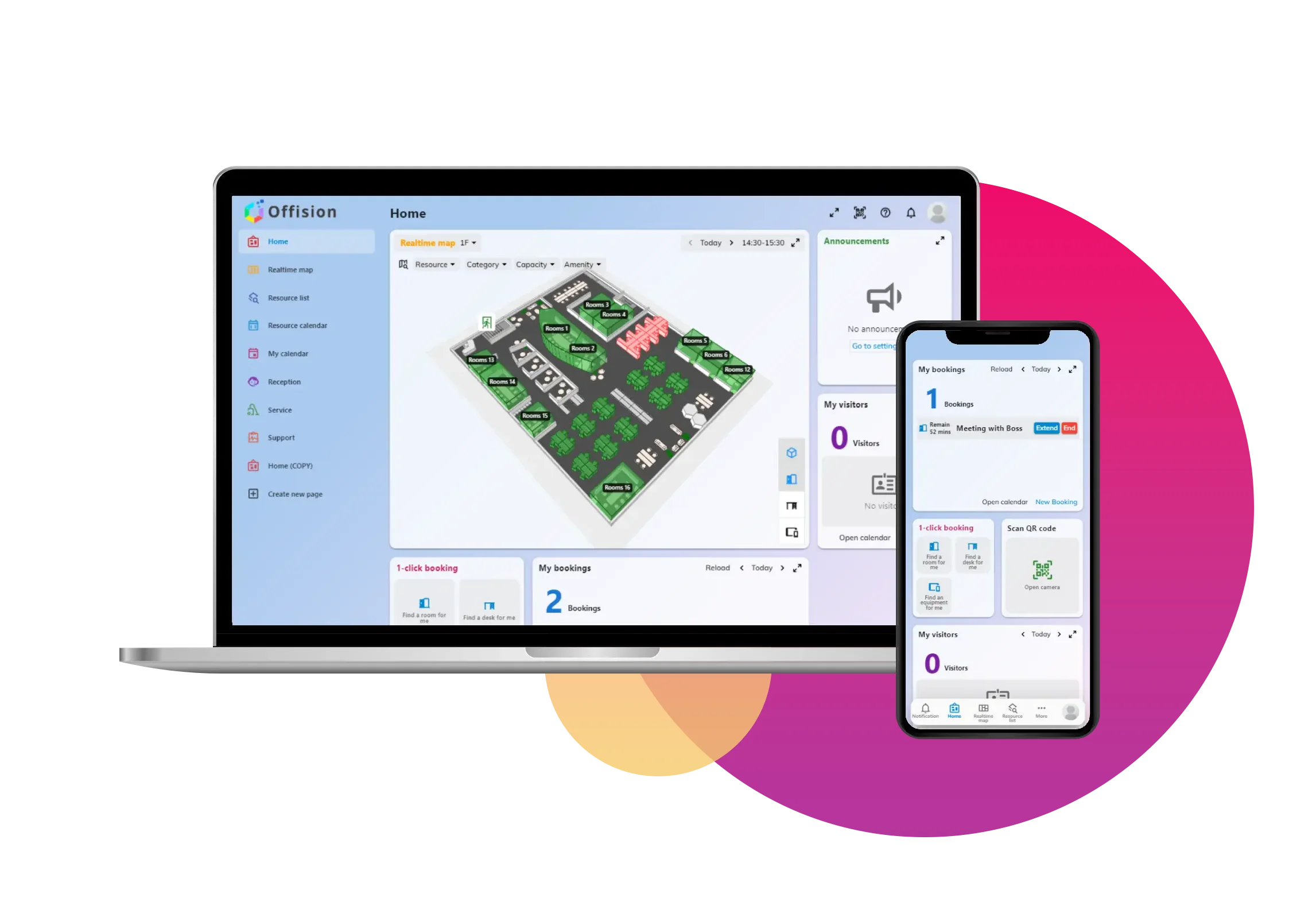
Offision combines attendance tracking, desk booking, floor maps, IoT occupancy signals, and analytics so strategy connects to day-to-day operations.


©2026 ONES Software Ltd. All rights reserved.

 Neat 裝置
 Crestron