 Neat
Neat
 Crestron
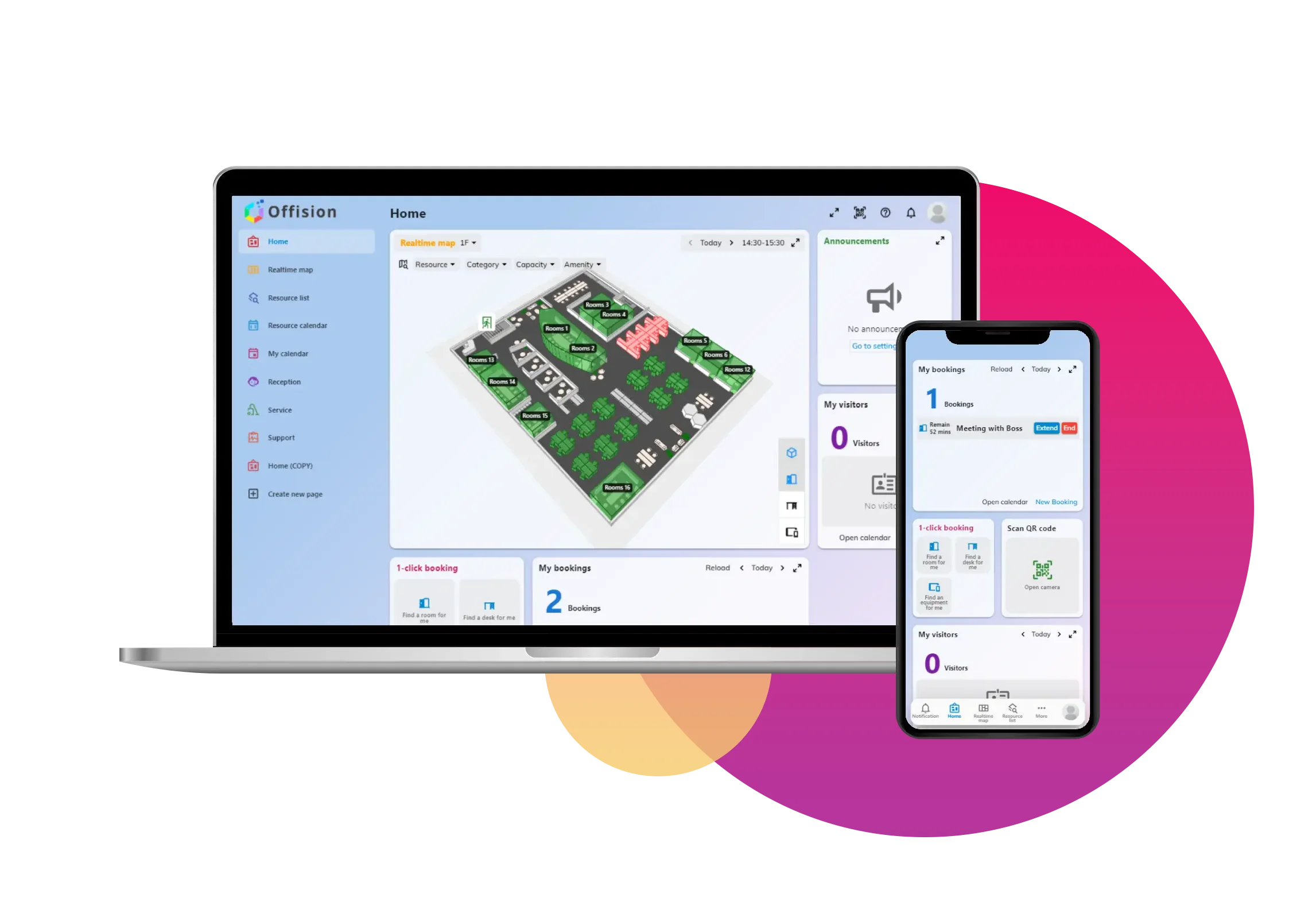
Week one is naming, not configuring
Wrong names break search — rework follows.
Name buildings, floors and resources first.
Add a building and its floorsBefore you buy Getting started
The work that decides whether a workplace platform sticks happens in the first month, and most of it is not technical.
Content reviewed: September 2026
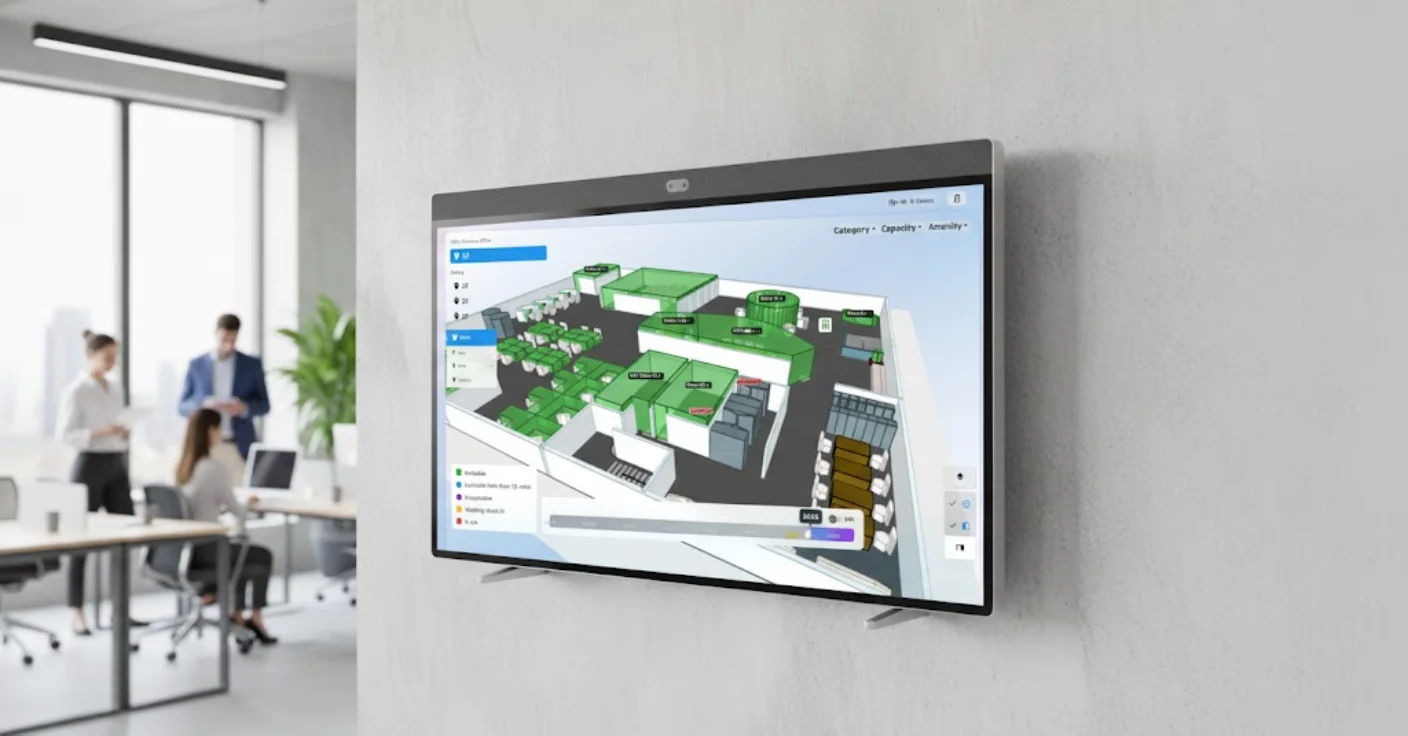
Wrong names break search — rework follows.
Name buildings, floors and resources first.
Add a building and its floorsWrite rules before people sync — directory shifts under you.
Sync people from Microsoft 365 or Google first.
Sync people from Microsoft 365Launch with rules you can explain in one sentence.
Check-in on scarce rooms only — add rules later.
How check-in and no-show workOne pilot floor surfaces issues while fixes are cheap.
Named champions on one floor before estate-wide rules.
How to add a roomThe same problem costs each group something different — and they rarely compare notes.
They own naming, resources and the launch rule set, and should be the first person trained.
They own identity sync, calendar integration and device network readiness, mostly in weeks one and two.
They set the day-30 measure and explain why the change is happening, which drives adoption more than any feature.
For a pilot floor and one site, yes. Multi-site rollouts usually repeat the same four-week pattern per site rather than extending one long project.
Unresolved naming, and waiting on a directory or calendar permission that nobody owned. Both are avoidable if raised in week one.
Yes, and most teams do. Booking first, then visitors, services, devices and signage as each is needed.

Walk through your estate, your booking rules and your calendar setup with our team — or start free and try it on one floor.


©2026 ONES Software Ltd. All rights reserved.