 Neat
Neat
 Crestron
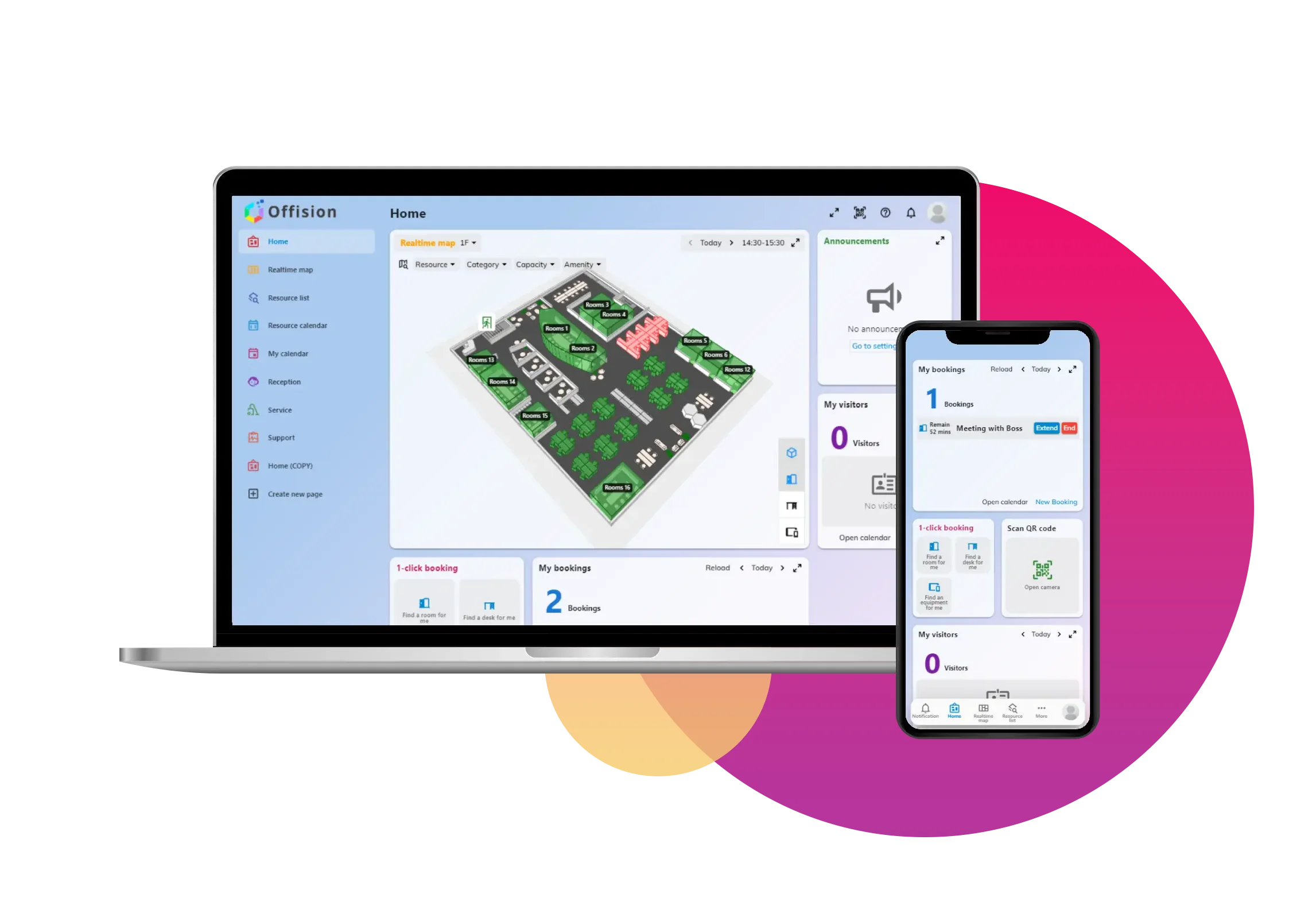
Booked is not occupied
Bookings show intent — not real use without check-in.
Booked hours vs checked-in hours.
How check-in changes utilizationProblems you recognise Floor space
Deciding on floor space with badge counts and a show of hands is expensive in both directions — too much space, and too little.
Content reviewed: September 2026

Bookings show intent — not real use without check-in.
Booked hours vs checked-in hours.
How check-in changes utilization60% average — still no room every Tuesday.
Peak day and peak hour, not just averages.
Which rooms are worth the spaceAccess logs — not whether desks or rooms are short.
Space measured through bookings and check-ins.
How room utilization reporting worksUtilization, occupancy, attendance — mixed metrics fail.
Shared dashboards — finance and facilities agree.
Which report answers which questionThe same problem costs each group something different — and they rarely compare notes.
They sign a multi-year property commitment and want a defensible basis for the number of floors.
They are asked to justify space they can feel is under-used but cannot yet show.
They need cost per used seat, not per built seat, to compare the options honestly.
A few weeks of normal operation is usually enough to see weekly patterns and identify the peak day. Seasonal decisions benefit from longer.
Not to start. Booking plus check-in already separates intent from use. Sensors add precision where a decision is close or contested.
Yes. Offision Analytics exports the underlying data and provides utilization charts and per-floor snapshots suitable for review meetings.

Walk through your estate, your booking rules and your calendar setup with our team — or start free and try it on one floor.


©2026 ONES Software Ltd. All rights reserved.