
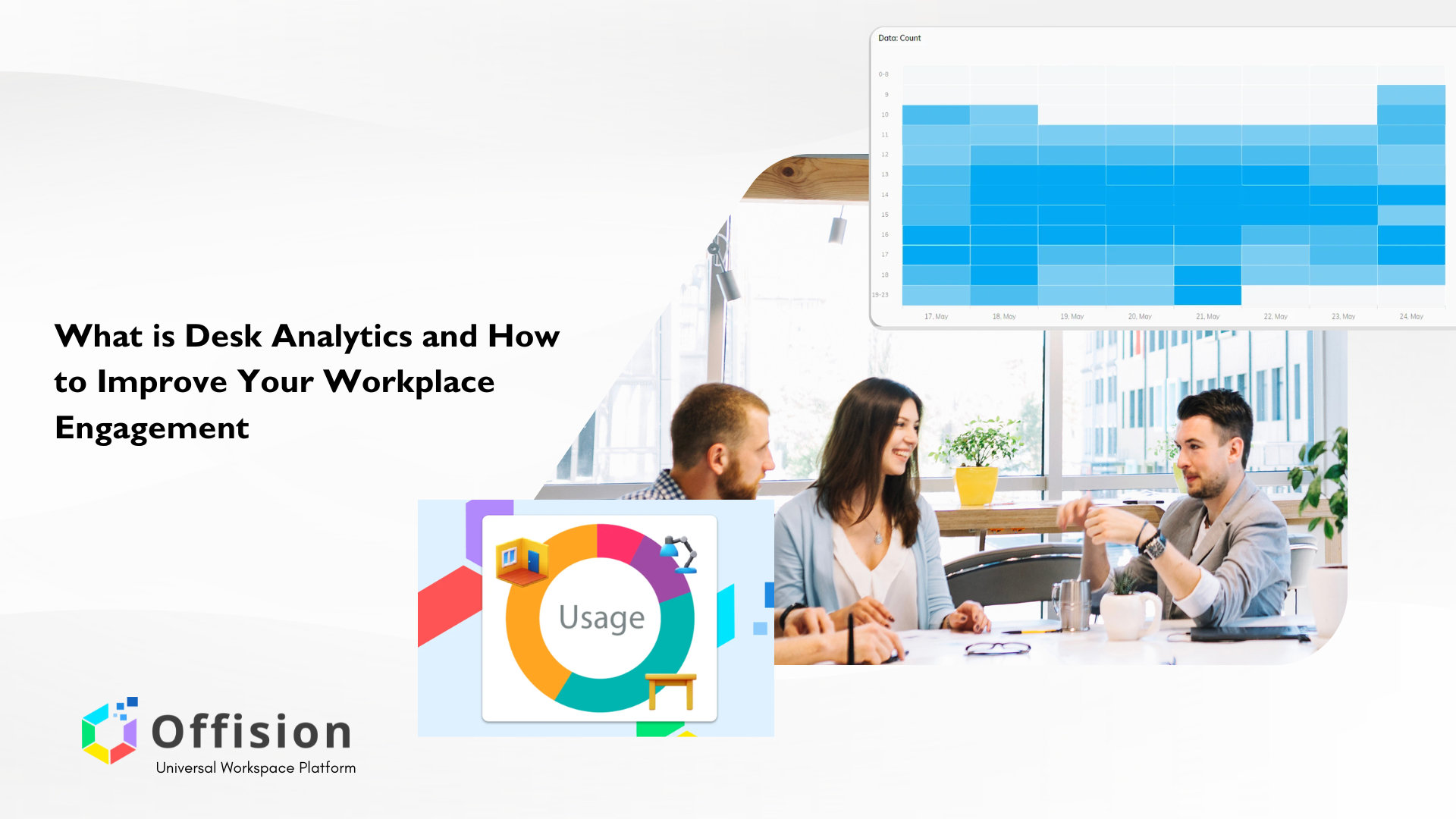
In the era of hybrid work environments, understanding how office space is utilized is crucial for enhancing workplace engagement and efficiency. Desk analytics provides valuable insights into office dynamics, helping organizations optimize their space and improve employee satisfaction. By leveraging data-driven strategies, companies can create more adaptable and engaging work environments.
As businesses evolve, so do the ways in which employees interact with their workspace. Desk analytics offers a comprehensive view of these interactions, enabling organizations to make informed decisions about space allocation and design. This not only maximizes office resources but also fosters a more collaborative and productive atmosphere.
What is Desk Analytics?
Desk analytics involves collecting and analyzing data related to desk usage within an office. It helps organizations understand patterns and trends in how employees interact with their workspace. This includes details such as who is in the office, what types of desks are used, when employees arrive, and how many desks are occupied at any given time.
By tracking who is in the office, desk analytics can identify attendance patterns and peak usage times. This information is crucial for managing space effectively and ensuring that resources meet employee needs.
In addition, desk analytics provides insights into what types of desks are preferred by employees—whether they prefer standing desks, collaborative spaces, or quiet zones. Understanding these preferences allows organizations to tailor their office design to better suit employee needs and improve overall satisfaction.
Why Desk Analytics? How Can It Unlock Potential for Your Office?
Desk analytics is a powerful tool for unlocking the full potential of an office space. By providing a clear picture of how desks are used, it enables organizations to make data-driven decisions that enhance efficiency and engagement.
Firstly, desk analytics helps in resource optimization. By understanding peak usage times and desk preferences, companies can allocate resources more effectively, reducing waste and ensuring that the office environment supports employee productivity.
Secondly, it promotes flexibility. With insights into employee attendance patterns, organizations can implement flexible work policies that accommodate remote and hybrid work styles, ultimately enhancing employee satisfaction and retention.
Lastly, desk analytics supports strategic planning. By analyzing trends over time, companies can anticipate future needs and adjust their space strategies accordingly. This proactive approach ensures that the workplace remains adaptable and responsive to changing demands.
A Live View of Daily Desk Usage
A live view of daily desk usage provides real-time insights into office dynamics. This feature allows managers to see which desks are occupied, peak usage times, and overall space utilization. By having access to this information, organizations can make immediate adjustments to improve efficiency and accommodate fluctuating needs.
Real-time data also enhances the employee experience by ensuring that workspace availability is transparent and easily accessible. This reduces frustration and fosters a more collaborative and harmonious work environment.
A Historical View of Desk Usage
In contrast, a historical view of desk usage offers long-term insights into office trends and patterns. By analyzing past data, organizations can identify shifts in workspace preferences and anticipate future demands. This historical perspective is invaluable for strategic planning and resource allocation.
Understanding long-term trends helps organizations make informed decisions about office design and layout. For example, if data shows a consistent preference for collaborative spaces, companies can invest in creating more open areas to support teamwork.
Additionally, a historical view of desk usage can highlight areas for improvement. By identifying underutilized spaces, organizations can take action to redesign or repurpose these areas, maximizing their potential and ensuring that every part of the office adds value to the overall work environment.
Conclusion
Desk analytics is an essential tool for modern workplaces, providing insights that drive efficiency, engagement, and satisfaction. By leveraging both real-time and historical data, organizations can optimize their office space and create a more dynamic and adaptable work environment.
As businesses continue to navigate the challenges of hybrid work models, desk analytics offers a pathway to smarter, more responsive workplace strategies. By embracing this technology, companies can enhance their employee experience, improve productivity, and stay ahead in a rapidly evolving business landscape.
Offision have a full set of space usage analytic reports. For more information, check this out.