
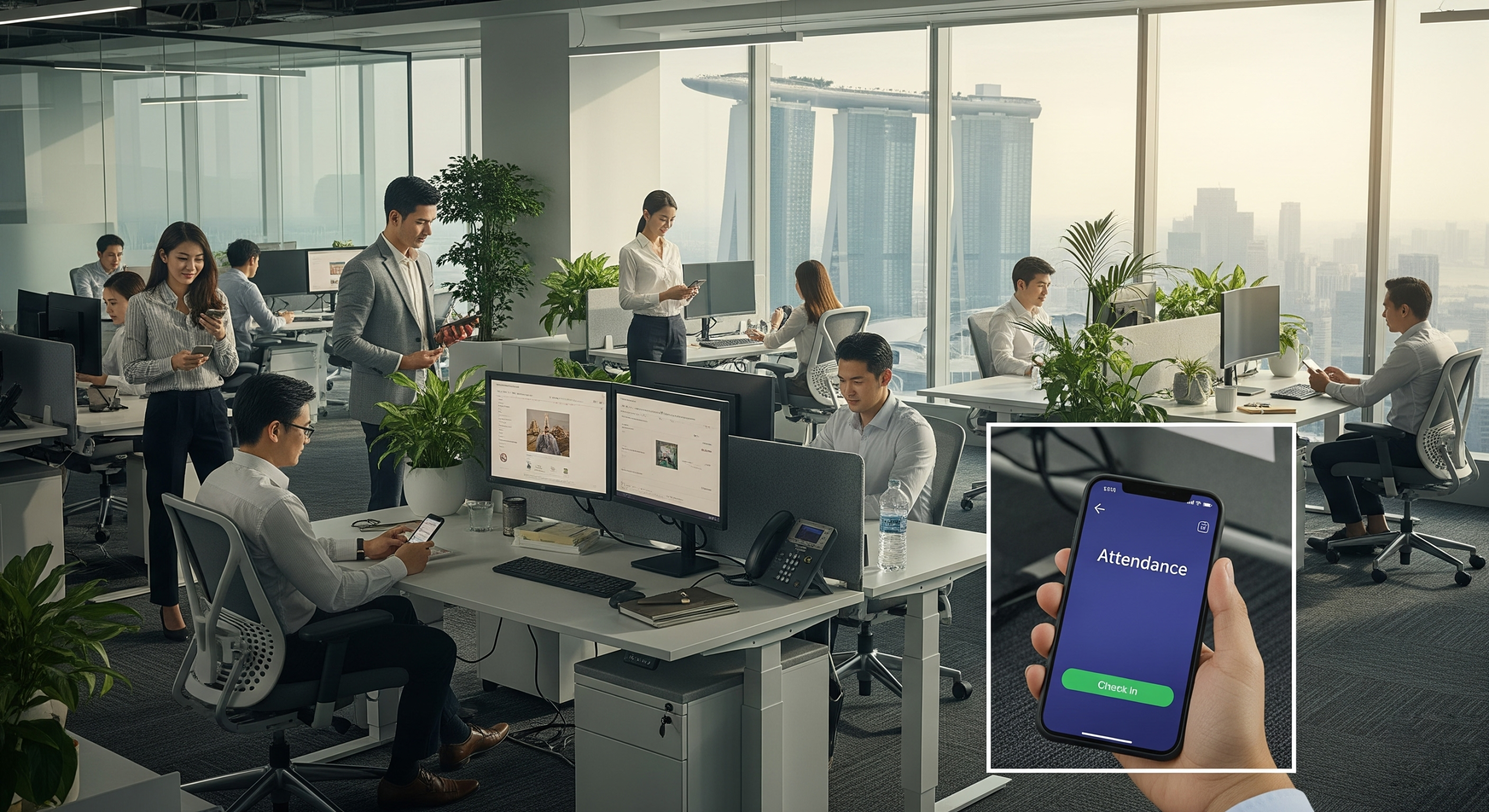
Introduction: The Paradigm Shift in Regional Workplaces
As the global economy navigates the complex realities of the mid-2020s, the Southeast Asian (SEA) commercial real estate market and its accompanying corporate workplace culture are undergoing a profound structural reset. The reactionary, temporary remote-work mandates of the early pandemic era and the subsequent polarized boardroom debates over return-to-office (RTO) policies have finally given way to a sophisticated, data-driven equilibrium in 2026. The modern workplace is no longer defined merely as a static container for desks, nor is productivity measured by mandatory physical attendance. Rather, the office has evolved into a highly adaptive, technologically integrated platform designed to optimize human cognitive performance, reflect distinct corporate cultures, and accommodate the dynamic environmental and infrastructural challenges unique to the Asia-Pacific (APAC) region.
This transformation is driven by a powerful confluence of macroeconomic headwinds, shifting demographic expectations, severe regional infrastructural bottlenecks, and rapid advancements in artificial intelligence (AI) and the Internet of Things (IoT). Organizations across major urban centers—including Singapore, Jakarta, Manila, Kuala Lumpur, and Bangkok—are systematically dismantling rigid pre-pandemic hierarchies in favor of Activity-Based Working (ABW), spatial democratization, and decentralized hub-and-spoke real estate portfolios. The emergence of the hyper-local “15-Minute Office,” the proliferation of service-integrated “Coworking 2.0,” and the implementation of AI-driven digital twins signify a decisive departure from traditional lease structures. Moving toward highly resilient, ESG-compliant (Environmental, Social, and Governance), and hyper-personalized workplace ecosystems, corporations are redefining what it means to go to work. This exhaustive research report provides a granular analysis of the Southeast Asian office culture in 2026, examining the macroeconomic drivers, the nuanced psychosocial contracts of modern hybrid work policies, the architectural and technological anatomy of adaptive workspaces, and the strategic real estate shifts redefining the region.
Macroeconomic Drivers and Commercial Real Estate Investment Trends
The evolution of workplace design and office culture in Southeast Asia cannot be isolated from the broader macroeconomic pressures and commercial real estate investment trends shaping the wider APAC region in 2026. To understand why companies are fundamentally altering their physical footprints, one must examine the economic calculus dictating corporate real estate investments, capital allocations, and regional supply chain dynamics.
GDP Growth, Yield Compression, and the Flight to Quality
On the economic front, overall APAC Gross Domestic Product (GDP) growth is forecasted to decelerate to 3.9% in 2026, down from a relatively robust 4.3% in 2025. This cooling is primarily driven by softer growth metrics in mainland China, India, and Japan. Despite this macroeconomic moderation, the commercial real estate investment sector paradoxically exhibits robust momentum, characterized by a highly strategic reallocation of capital. According to the 2026 Asia Pacific Investor Intentions Survey, investors have designated the office sector as their top target for investment for the first time since 2020, signaling a definitive shift away from the previously dominant industrial and logistics sectors.
This investment surge is fundamentally defined by a pervasive “flight to quality.” Across major SEA capitals, while the overall supply of secondary office space remains ample or even saturated, leading multinational and regional firms are actively executing strategies to vacate aging, low-performance stock. They are upgrading to high-performance, ESG-compliant Grade A towers. The calculus for corporate real estate has fundamentally shifted from cost-containment to strategic value creation. The primary boardroom inquiry is no longer “what does this space cost per square meter?” but rather “does this real estate actively advance our business strategy and enhance talent acquisition?”.
With limited yield compression expected throughout 2026, institutional investors are increasingly forced to rely on rental growth as the primary driver of returns, a trend that bodes well for premium assets in mature markets but threatens secondary stock. Consequently, potential oversupply in these secondary markets is being aggressively mitigated through strategic repositioning, most notably through office-to-residential conversions, while capital is funneled into premium assets capable of commanding high rents. In mature, space-constrained markets like Singapore, this dynamic has sustained exceptional positive momentum, underpinned by strong occupier demand, relocations to larger premium premises, and in-house expansions, ultimately pushing vacancy rates in the Central Business District (CBD) to record lows below 4%.
| Macroeconomic Indicator | 2026 Regional Trend | Primary Drivers & Strategic Implications |
| APAC GDP Growth | Slowing to 3.9% | Macroeconomic softening in larger Asian economies requires optimization of operational expenditures. |
| Investment Capital Focus | High-Quality Office Assets | Top sector for investment; capital pivoting away from logistics toward premium commercial hubs. |
| Singapore CBD Vacancy | Below 4% | Intense flight to quality, record low vacancy, strict ESG compliance mandates. |
| Rental Yield Strategy | Focus on Rental Growth | Limited yield compression forces investors to rely on premium rents in Grade A assets. |
| Secondary Asset Strategy | Repositioning / Conversion | Mitigating older stock oversupply via office-to-residential transitions and adaptive reuse. |
Geopolitical Pressures, Energy Constraints, and Sector-Specific Expansion
Beyond standard economic indicators, geopolitical tensions and regional infrastructure deficits directly influence office culture and real estate utilization. For instance, in response to the ongoing Middle East conflict and its resulting volatility in global energy markets, several Southeast Asian markets have proactively implemented or encouraged work-from-home (WFH) policies specifically designed to save energy and reduce transport fuel demand. This demonstrates how flexible work arrangements have evolved from pandemic health measures into macroeconomic levers used by governments to manage national energy consumption.
Simultaneously, specific high-value sectors are driving targeted geographic expansion. Tech, Global Capability Centers (GCC), and life-sciences firms are aggressively expanding into cost-advantaged markets across the region, heavily impacting real estate demand in India, Vietnam, and coastal Chinese cities. Furthermore, the data center market in APAC is fundamentally shaping real estate strategies. While power volatility and sustainability issues persist—given the region’s strong 70% reliance on coal and non-renewable energy sources—sub-markets like Southeast Asia are responding to energy constraints through investments in alternative microgrids and behind-the-meter projects. This infrastructural evolution ensures that workloads continue shifting toward cloud and AI-driven demand without decelerating market activity. As these high-tech sectors expand, they bring with them progressive, adaptive workplace cultures that prioritize technological integration and flexibility, setting a new benchmark for traditional domestic firms to match.
The Demographic Shift and the Psychosocial Contract of Hybrid Work
The narrative surrounding hybrid work in Southeast Asia has matured significantly. It is no longer a temporary crisis management tool; it has become a complex, deeply negotiated psychosocial contract between employers and employees. While stringent global mandates attempt to force workers back to traditional desks, the SEA region displays a highly nuanced, fragmented reality heavily influenced by an acute talent shortage and shifting generational expectations.
The STEM Skills Gap and Salary Inflation
To comprehend the leverage employees hold in shaping 2026 office culture, one must analyze the labor market conditions of the preceding years. The year 2025 in Southeast Asia was defined by a critical imbalance: demand for specialized talent surged vastly faster than supply could accommodate. STEM-heavy industries witnessed the sharpest deficits, with companies racing to hire in fields such as AI and Machine Learning, Cybersecurity, Cloud and DevOps, Data Engineering, and Life Sciences. The talent pool simply could not match the pace of digital transformation, widening the skills gap in tech, semiconductors, chemicals, and digital manufacturing.
Because open roles often remained vacant for months, employers were forced to implement aggressive salary increments to prevent poaching by competitors. Average salary increments across the region reflect this desperation: Vietnam saw increases of approximately 6.7%, Indonesia 6.3%, the Philippines 5.8%, Malaysia 5%, and Singapore 4.4%. This inflation was not driven by corporate generosity but by sheer necessity, as turnover rates spiked (17% in Singapore, 19% in the Philippines, and 20% in Indonesia). The year 2025 became the inflection point where candidates fully realized their mobility, and this realization permanently altered their expectations regarding the physical workplace.
Gen Z has fully reshaped the talent market, demanding flexible or hybrid work, fast and respectful hiring processes, transparent pay, purpose alignment, and robust mental well-being support. Companies burdened with outdated, rigid workplace cultures or mandating full-time office attendance suffered severe attrition. Consequently, adaptive workspaces and flexible work models are now weaponized as primary tools for talent acquisition and retention, utilized to offset the unsustainable trajectory of perpetual salary inflation.
The Return-to-Office Spectrum and “Hybrid Creep”
The spectrum of workplace attendance policies in 2026 is exceptionally broad. At a global level, tracking data indicates that among employees with remote-capable jobs, 52% operate in a hybrid environment, 26% remain exclusively remote, and 22% work entirely on-site. However, regional variances in Southeast Asia are stark.
Indonesia stands out globally as a highly structured market, with a staggering 87% of corporate employees operating under some form of structured return-to-office (RTO) mandate. Furthermore, nearly two-thirds of Indonesian employees face a full-time RTO requirement—almost double the APAC average and significantly higher than hybrid-centric markets like Australia and Singapore. Interestingly, Indonesian employees report generally positive sentiments regarding their return, with nearly 90% expressing satisfaction with being back in the corporate environment. However, this compliance is highly transactional and conditional. In exchange for their physical attendance, two-thirds of these workers are demanding significantly upgraded, best-in-class amenities, a more flexible structure to their workday, and environments optimized for human performance.
Conversely, in highly competitive, mature talent markets like Singapore, Randstad’s Workmonitor data indicates that 76% of employees prioritize flexibility in working hours, and 70% value flexibility in work locations. This inherent conflict between executive desires for physical oversight and employee demands for autonomy has led to the phenomenon of “hybrid creep”. This occurs when organizations gradually and quietly raise mandatory office attendance requirements—inching from one day a week, to two, to three—without entirely eliminating the overarching flexible framework, attempting to boil the frog slowly to avoid mass resignations.
Yet, the data reveals a persistent failure of strict mandates. Across Europe and transcending into APAC, surveys show that while 54% of companies mandate office presence for at least three days a week, only 42% actually achieve this target. The gap is most pronounced in the financial services sector, where 61% require three or more days of attendance, but only 32% of employees comply. Rather than issuing punitive directives, forward-thinking companies in 2026 are shifting toward positive motivation. Average weekly office space utilization hovers at 46%, peaking at 71% on busy mid-week days, creating a paradoxical vicious circle: employees do not want to commute to half-empty offices, yet their very absence perpetuates the emptiness they seek to avoid, particularly on Mondays and Fridays.
The Emergence of “Silent Flexibility”
The tension between executive-level RTO mandates and ground-level talent retention realities has given rise to a defining feature of 2026 SEA office culture: “silent flexibility”. The vast majority of organizations are unwilling to publicly commit to rigid, formalized four-day remote policies, fearing a dilution of corporate culture, diminished leadership visibility, and the erosion of cross-functional collaboration. However, recognizing that aggressive, inflexible mandates lead directly to talent attrition, companies are unofficially decentralizing flexibility decisions to their line managers.
Instead of company-wide edicts published by Human Resources, flexibility operates as a localized, negotiated managerial practice. A line manager may discreetly allow working parents to log in later after school drop-offs, ignore strict key-card attendance tracking for top performers, or quietly permit teams to coordinate remote work during low-intensity operational periods. This practice is highly prevalent across Southeast Asia’s professional services, technology, logistics, and financial sectors. Notably, major professional services firms, such as Deloitte, PwC, EY, and KPMG, have maintained their hybrid structures in the region despite broader global pressures from their Western headquarters to return to the office.
The Crisis of Managerial Engagement
While silent flexibility serves as an effective, pragmatic compromise for individual contributors, it exacts a severe and quantifiable toll on middle management. Gallup’s 2026 State of the Global Workplace report highlights a systemic crisis: manager engagement globally has plummeted to 22%, experiencing a sharp five-point decline between 2024 and 2025. In South Asia, manager engagement suffered an even steeper eight-point drop, marking the largest decline of any global region.
This precipitous decline is deeply intertwined with broader corporate restructuring. The adoption of AI and the push for operational efficiency have led to widespread organizational flattening. As companies cut mid-level and senior roles, the percentage of managers in the workforce has declined, subsequently increasing the span of control and team sizes for those who remain. Burdened with the dual, often contradictory responsibilities of enforcing official corporate RTO policies while unofficially managing complex “silent flexibility” negotiations to retain their teams, managers are experiencing profound burnout. The historical “engagement premium” previously enjoyed by leadership has evaporated; managers in 2026 are increasingly only as engaged as the disengaged teams they are struggling to lead.
The Urban Infrastructure Crisis and the “15-Minute Office”
Perhaps the most significant spatial disruption in Southeast Asia’s 2026 corporate real estate landscape is the transition away from monolithic, centralized CBD headquarters toward decentralized, distributed work networks. This structural shift is not merely a preference for remote work; it is a direct, unavoidable response to severe regional infrastructural bottlenecks, the physiological toll of extreme commutes, and an increased prioritization of holistic work-life integration.
The Anatomy of Transit Fatigue
By late 2024 and continuing into 2026, the traditional urban commute in many Southeast Asian megacities reached a breaking point, resulting in a psychological and physiological rejection of the daily CBD rush. The TomTom Traffic Index ranked Bangkok as the second most congested city globally, where drivers lose an estimated 96 hours annually to rush-hour standstills—the equivalent of four full working days trapped in a bumper-to-bumper vacuum. In Metro Manila, comprehensive surveys indicate that 73% of residents cite severe traffic congestion as a primary barrier to their quality of life, alongside the high costs of local food and hospital care.
Even in highly developed, efficient transit ecosystems like Singapore, high density creates its own unique stressors. Peak-hour “crush loads” on the Mass Rapid Transit (MRT) network are statistically linked to lower sleep quality, increased cognitive fatigue, and a reduced capacity for post-work upskilling. Employees increasingly view the hours lost to commuting not just as an inconvenience, but as a direct threat to their mental well-being and professional development. Consequently, managers are beginning to see short commutes and proximity to home as core components of employee retention; reclaiming the hours lost to traffic is recognized as the “human edge” that defines successful people management in 2026.
The 15-Minute Office and the Hub-and-Spoke Paradigm
To combat transit fatigue and align with employee demands for “work-near-home” setups, organizations have widely adopted the “15-Minute Office” model. This urban planning framework places professional-grade workspaces directly within residential fabrics, ensuring employees can access a high-quality office environment within a 15-minute walk or bicycle ride from their front door. An overwhelming 92% of Metro Manila residents now state a preference for meeting their daily needs—including professional work, groceries, and schooling—within this hyper-local 15-minute radius.
This demand has catalyzed the widespread adoption of the hub-and-spoke real estate model:
- The Hub: A significantly downsized, premium CBD location utilized primarily for high-stakes client meetings, executive functions, brand showcasing, and quarterly cultural gatherings.
- The Spoke: A distributed network of suburban satellite offices, flexible coworking memberships, and integrated community workspaces located directly in residential zones.
Large enterprise organizations are now the primary drivers of this flexible workspace demand. Data from The Instant Group reveals that 68% of enterprise organizations (defined as having 10,000+ employees) currently operate flexible or hybrid real estate models across APAC. Flexible workspaces—such as those provided by WeWork, Spaces, Regus, and regional boutique operators—are no longer viewed as short-term contingency plans or the exclusive domain of freelancers and startups. They have become core enterprise real estate strategies designed to reduce long-term lease liabilities, accelerate new market entry, and dramatically enhance employee satisfaction by eliminating the friction of the central commute.
| City | Decentralization Strategy | Key Characteristics & Urban Developments |
| Singapore | The “Constellation” Strategy | URA Draft Master Plan 2025 pushes commercial nodes to heartlands (Punggol, Tampines). The Punggol Digital District (PDD) weaves academia (SIT), lifestyle, and business together, supporting 28,000 jobs in AI and cybersecurity. Initiatives like MINDEF “M-Works” repurpose public libraries into secure satellite offices for defense staff. |
| Manila | Satellite Cities & Flex Boom | Emerged as the fastest-growing flex market in APAC (51% YoY growth, beating Sydney and Tokyo). Driven by multinational BPOs and a deep talent pool demanding hyper-local access. Workspaces are increasingly embedded into Quezon City and Alabang township projects to bypass CBD gridlock. |
| Jakarta | The “Desakota” Phenomenon | The blurring of urban and village boundaries fuels decentralized demand. Technology firms, which drive over 25% of office demand, are actively repurposing older buildings in residential peripheries into high-quality satellite spaces to tap into the vast local population. |
| Kuala Lumpur | Suburban Work Hubs | Strong structural shift toward secondary cities. Rising demand for professional, well-equipped flexible workspaces in suburban Kuala Lumpur and Selangor, allowing professionals to work without the friction of central city transit. |
| Ho Chi Minh | Coworking 2.0 | Experiencing 12% YoY growth in service-integrated, boutique Grade A flexible hubs. Emphasis on green-certified spaces that prioritize hospitality-first employee experiences over traditional desk density, allowing fast market entry without heavy CAPEX. |
The Core Philosophies of Adaptive Workspace Architecture
As companies shrink their overall square footage to fund the hub-and-spoke model, the capital saved from real estate consolidation is not simply banked as profit. Instead, it is aggressively redirected into the remaining physical footprint. Organizations are investing heavily in higher-spec finishes, advanced workplace technology, and ESG-aligned materials, fundamentally altering the architectural layout and purpose of the office. In 2026, the office must justify the commute.
Brand Embodiment Over Desk Density: The Clubhouse Model
The dominant architectural and cultural design trend in 2026 is the “Clubhouse” model. Workplaces are transitioning from sterile spaces optimized purely for operational efficiency and maximum desk density into socially vibrant, hospitality-driven environments that serve as the ultimate physical embodiment of the corporate brand. Because hybrid employees possess the autonomy to work from home, the physical office environment must offer collaborative and social experiences that simply cannot be replicated remotely.
First impressions are treated as brand theater. Standard, transactional reception desks guarded by turnstiles have been replaced by concierge-style hospitality zones, professional barista bars, and open town-hall arenas designed to foster immediate social engagement. “Resimercial” design—the blending of residential comfort with commercial-grade durability—is heavily utilized to soften traditional corporate aesthetics. This involves the integration of natural stone, premium wood, bespoke interiors, cozy nooks, and highly curated social spaces that prioritize human comfort over rigid formality.
Spatial Democratization and Activity-Based Working (ABW)
Accompanying the shift toward hospitality is a profound spatial democratization. Traditional physical hierarchies are actively dissolving across the region. Even in historically conservative, status-driven sectors such as law and finance, the enclosed, windowed partner office is rapidly becoming obsolete. Walls are being dismantled to democratize access to natural light and premium views, replacing corner offices with shared collaboration hubs, open light paths, and equitable access to amenities. This spatial equality is recognized as a necessary “price of entry” to attract younger Gen Z talent who outright reject rigid corporate hierarchies.
This democratization is operationalized through Activity-Based Working (ABW). ABW replaces traditional assigned seating (where an employee sits at the same desk every day regardless of their task) with dynamic floor plans designed around specific activities. Employees choose a workspace that suits their immediate needs, whether that is concentrating, collaborating, or taking an intentional break. Modern ABW environments feature:
- Advanced Collaboration Hubs: Project rooms with demountable partition walls for intensive sprints, innovation labs with digital whiteboards, and open lounges equipped with integrated presentation technology.
- Focus Zones: Quiet pods, individual work booths, and sound-cancelling telephone boxes optimized for deep, uninterrupted work or confidential remote video conferences.
- Modular Agility: Furniture systems and movable acoustic partitions that can be reconfigured by the employees themselves on a daily basis—without the need for facilities management intervention—ensuring the space continually adapts to fluctuating daily attendance patterns.
Gensler’s 2025 Global Workplace Survey validates this approach, indicating that employees in hybrid environments that successfully balance collaboration zones with dedicated focus time report three times higher performance outcomes than those in offices optimized solely for efficiency. However, this is not a one-size-fits-all metric. Space planning must flex to deep cultural patterns. For instance, Gensler’s BIM data intelligence reveals that high-density collaboration zones are culturally preferred in Tokyo (where utilization rates hover around 70% and physical presence remains a marker of accountability), whereas purpose-built hybrid hubs supporting a trust-based work model are favored in Sydney and Singapore (averaging 60% utilization). Furthermore, in Singapore’s multicultural business environment, ABW layouts often retain subtle hierarchical indicators—such as semi-private executive areas—to respect local professional boundaries while still promoting open collaboration.
Neuro-Inclusivity, Sensory Design, and Cognitive ROI
In an era where the competition for specialized talent is fierce, ensuring that the physical environment is accessible to all cognitive profiles is paramount. With emerging research indicating that up to 22% of neurodivergent talent decline job offers due to hostile, overly stimulating, or poorly designed office environments, neuro-inclusivity has transitioned from a niche wellness perk to a commercial imperative for talent retention.
The 2026 office places a premium on sensory optimization. Intelligent acoustic ecosystems utilize biophilic soundscapes (scientifically engineered audio, such as the sound of running water or forest ambiance) to mask distracting speech and decouple loud, collaborative office buzz from deep work zones. Lighting has evolved dramatically from static, glaring overhead fluorescents to intelligent, tunable LED arrays that synchronize with human circadian rhythms. These systems adjust color temperature throughout the day, reducing eye strain, accommodating neurodivergent sensitivities, and providing essential cognitive restoration. Frameworks like PAS 6463 guide the creation of these restorative zones, featuring reduced lux levels, lower reverberation times, and visual simplicity to prevent sensory overload.
Furthermore, wellness is now quantified as an operational necessity with a tangible Return on Investment (ROI). Organizations recognize the direct correlation between Indoor Air Quality (IAQ) and human cognitive performance. Based on Harvard’s COGfx studies, maintaining indoor $CO_2$ levels below 600 parts per million (ppm) actively prevents cognitive decline, fatigue, and poor decision-making. Consequently, high-performance offices feature advanced HVAC systems equipped with automated dashboards that monitor and display real-time air quality metrics. This serves as a tangible proof point to employees that the environment is meticulously engineered for their health, safety, and productivity. While amenities like cafes (highly valued by 57% of employees) and free parking (29%) remain crucial practical conveniences that draw employees into the office, abstract “wellness spaces” have declined slightly in importance as standard building infrastructure fundamentally improves the baseline health of the environment.
Environmental Facade Adaptability in Humid Tropical Climates
While interior design focuses on human cognition, the exterior architecture of adaptive workspaces in Southeast Asia must grapple with the realities of Humid Tropical Cities (HTCs). In cities like Jakarta, empirical evidence suggests that proper functioning and adaptable office building facade (OBF) components relate directly to higher thermal comfort and worker productivity.
Historically, the trend of applying extremely large, un-shaded glazed curtain walls and deep open spaces—designs popularized in moderate Western climates—proved problematic when transplanted to HTCs like Jakarta. These designs frequently resulted in massive solar heat gain, inadequacies in providing balanced daylighting, and severe glare occurrence, which degrades visual performance. In 2026, adaptive workspaces address these structural flaws through smart, adaptive facades. Rather than relying entirely on energy-intensive interior HVAC systems to combat the heat generated by un-shaded glass, modern Southeast Asian offices utilize automated shading systems, electrochromic glass, and deep overhangs that dynamically adapt to the sun’s trajectory. This holistic approach to functionality and adaptability ensures that the building envelope itself works in tandem with the interior IoT systems to optimize employee comfort and reduce energy loads.
Technological Anatomy of the 2026 Smart Office
The adaptive workspaces of 2026 are not merely physical locations; they are highly intelligent ecosystems driven by artificial intelligence, automation, data analytics, and the Internet of Things (IoT). As businesses demand high-performance environments, the smart office relies on interconnected technologies to deliver seamless user experiences, personalize environments, and optimize operational efficiency.
Digital Twins and AI-Driven Space Planning
The integration of AI into commercial real estate has ushered in an era of science-led design, moving the industry beyond traditional architectural intuition. Leading firms are utilizing AI-powered predictive analytics and “digital twin” technology—real-time virtual replicas of physical offices. This allows organizations to run highly complex simulations prior to construction, renovation, or daily reconfiguration.
For instance, a multinational pharmaceutical company operating in Singapore uses digital twins to simulate how changes in desk layouts, lighting setups, or HVAC routing will dynamically affect employee movement, spontaneous collaboration rates, and overall energy consumption. This approach transforms the office campus into a living laboratory, utilizing small-scale pilots, fast feedback loops, and data-informed action to continuously refine spatial efficiency and track how each setting influences connection and wellbeing.
The Unified Smart Ecosystem and Energy Intelligence
Unlike early iterations of the smart office that relied on disjointed gadgets and isolated proprietary systems, the 2026 ecosystem functions holistically. Platforms such as ESI-Tik unify complex technologies into a seamless user experience, characterized by ONE TOUCH simplicity. The technological pillars of this ecosystem include:
- IoT Occupancy Sensors: Real-time data tracking maps human presence precisely across the floorplate. This data automatically triggers HVAC and lighting adjustments, ensuring systems are only active in occupied zones. In Singapore, analytics-driven energy management platforms and predictive maintenance result in 15% to 25% energy savings, directly aiding compliance with the strict BCA Green Mark certification.
- AI Personalization: AI and machine learning software learn individual employee preferences. Screen brightness automatically adapts to ambient tropical light levels, and unified control systems allow users to adjust desk heights, room temperatures, and localized lighting via a single smartphone application.
- Seamless Booking & Connectivity: Digital workplace platforms automate the reservation of hot desks, collaborative meeting rooms, and lockers, instantly syncing with an employee’s calendar, location data, and team availability.
Furthermore, employees across the board recognize the value of these AI integrations. Surveys indicate that 62% of employees prefer AI-enhanced remote working, noting that AI tools give them more flexibility and work-life balance (71%), allow them to work anywhere without losing productivity (66%), and help them better serve customers (65%). An overwhelming 95% of employees support their company’s investment in AI tools, viewing them as a foundational force shaping the future of flexible work.
| Core Smart Office Technology | Primary Function in the Adaptive Workspace | Strategic Benefit |
| Digital Twins (AI) | Creates virtual replicas to simulate spatial layouts and traffic flow prior to physical changes. | Reduces CAPEX risk; optimizes floor plans for actual human behavior and movement. |
| IoT Occupancy Sensors | Tracks real-time human presence to automate lighting and HVAC distribution. | Achieves 15%-25% energy savings; aids in ESG compliance and Green Mark certification. |
| Unified Control Apps | Centralizes control of desk height, room temperature, and lighting into a single user interface. | Enhances personalization and human-centric comfort, boosting retention. |
| Automated Booking Platforms | Manages the reservation of hot desks, pods, and meeting rooms across hybrid schedules. | Eliminates shift conflicts; maximizes space utilization; provides usage analytics to leadership. |
The BPO Sector Paradigm: High-Volume Hybrid Management in the Philippines
While premium corporate headquarters utilize smart technology to optimize culture and brand embodiment, the Philippine Business Process Outsourcing (BPO) sector utilizes adaptive workspace strategies to solve massive, mission-critical operational complexities. As a crucial pillar of the Philippine economy—generating employment, foreign exchange earnings, and contributing heavily to GDP—the BPO industry operates at an immense scale, characterized by multi-shift schedules, shared workstations, and high agent volumes.
The Operational Challenges of the Hybrid BPO
Historically, BPO operations relied on fixed, full-time onsite occupancy. However, hybrid work is now the dominant operating model in the Philippines. Leading financial companies report that 52% of Filipino professionals are currently working in hybrid arrangements. This transition to a flexible model exposes severe logistical inefficiencies that were previously manageable under static setups.
The primary challenges faced by Philippine BPOs include:
- Seat and Workstation Conflicts: In double-shift and triple-shift environments, managing fluctuating daily headcounts is critical. Agents frequently arrive at the office to find their assigned workstations either occupied by a previous shift, unavailable, or improperly prepared due to overlapping schedules.
- Asset Accountability and Security: The sharing of devices and workstations across shifts introduces severe tracking difficulties. Without a structured tracking system, establishing accountability is nearly impossible, increasing the risk of asset loss and data security breaches.
- Risk to SLAs and Revenue: Global clients demand seamless, uninterrupted service delivery regardless of whether agents are working from a Manila high-rise or a suburban satellite office. Logistical disruptions—such as missing headsets, unavailable seating, or IT setup friction—cause operational downtime that directly impacts strict Service Level Agreements (SLAs) and threatens company revenue.
Workspace Management Strategies and IT Integration
To mitigate these operational risks and maintain consistency, Philippine BPOs deploy advanced, centralized workspace management software. These platforms provide real-time seat planning and utilization tracking, ensuring that shift conflicts are avoided and idle office capacity is eliminated.
A core strategy is ensuring absolute workstation readiness. By integrating workspace management tools directly with IT support services, BPOs guarantee that agents arrive at fully prepared, functional workstations. This significantly minimizes IT friction during shift changes, reduces setup downtime, and allows agents to focus immediately on client interactions.
Furthermore, because hybrid BPO agents alternate continuously between home environments and shared office spaces, strict tracking of physical assets and endpoint data security is paramount. Professional IT service integrators, such as Bladegrass, configure these scalable systems to align with specific BPO needs. They integrate specialized tracking and Mobile Device Management (MDM) solutions into the workspace setup. For example, systems like Teramind monitor user activity to ensure robust data security and compliance across distributed locations, while MDM solutions like Scalefusion track shared workplace devices across shifts, ensuring equipment is secure, accounted for, and properly configured for the next agent.
This seamless integration of hybrid workspace management not only protects global SLAs but also directly supports employee well-being in the Philippines. By reducing the stress of workstation conflicts and offering flexible coworking memberships closer to home, BPOs reduce burnout, provide agents with greater control over their routines, and maintain a competitive edge in attracting the nation’s top talent. It is this structural agility that propelled Manila to become the fastest-growing flexible workspace market in APAC, with demand surging 51% year-on-year in 2025.
Deep Dive Case Studies in Adaptive Workspace Implementation
To fully illustrate the practical application, scale, and nuance of these 2026 trends, the following detailed case studies highlight how leading organizations across Southeast Asia have fundamentally redesigned their physical spaces, technological integrations, and organizational cultures.
1. Grab Headquarters (Marina One, Singapore)
Grab, Southeast Asia’s dominant super-app and technology pioneer, utilized its relocation to Singapore’s Marina One to consolidate three separate offices and 3,500 employees into a massive, 27,000 square meter R&D headquarters optimized for rapid regional growth and innovation. Partnering with YAAF Design and Veldhoen + Company (the originators of Activity Based Working), Grab made the bold decision to completely abandon traditional assigned seating for a fully hot-desked, ABW environment.
Design Philosophy and Cultural Alignment: The space was built on three conceptual pillars central to Grab’s corporate identity: People (fostering inclusive design and opening opportunities for all, including disadvantaged groups), Cities (reflecting the mission to solve regional infrastructure and traffic challenges), and Planet (minimizing environmental footprint).
Key Architectural Features:
- Radical Transparency and Collaboration: A massive open-concept floor plan devoid of cubicles or high walls deliberately eliminates physical segregation between different departments. This openness operationalizes the company’s “Your Problem is My Problem” collaborative philosophy, making it exceptionally easy to initiate cross-departmental projects through spontaneous stand-up meetings in pockets of breakout areas.
- Regional Cultural Identity: The office serves as a physical homage to Southeast Asia. The design explicitly reflects a local identity through Peranakan motifs decorating the walls and floor tiles, traditional shophouse shutter doors surrounding the main reception, glass windows adorned with city skyline decals, and meeting rooms affectionately named after regional MRT stations.
- Holistic Wellness Amenities: Acknowledging the grueling hours often required in a high-growth tech startup, the office integrates comprehensive recreation and fitness options. It features a fully stocked communal pantry (complete with freezers of ice cream and the entire Coca-Cola beverage range), foosball tables to let off steam, and a private, in-house gym where employees can exercise on treadmills overlooking Sentosa Island and the Singapore Straits.
- Task-Appropriate Environments: While the public areas are highly agile and noisy, the office perfectly balances this with private, noise-cancelling phone booths and concentrated focus areas, giving employees ultimate freedom to select the precise environment required for their current task.
2. DBS Bank “JoySpace” (Singapore and Regional Hubs)
DBS Bank, recognized as Southeast Asia’s largest lender, spearheaded a monumental workplace transformation to break away from traditional banking conservatism and cultivate an agile, horizontal, startup mindset. In collaboration with architectural firm Gensler, DBS developed the “JoySpace” initiative—a program that seamlessly merges interior design with comprehensive change management.
Design Philosophy and Co-Creation: Led by Erwin Chong, Group Head of Corporate Real Estate Strategy, the evolution of JoySpace began in 2016 and accelerated rapidly as the bank adopted a permanent hybrid work model in 2021 (allowing employees to work remotely up to 40% of the time). The core philosophy is that workspaces are designed by employees, for employees. The bank established a cross-functional Future of Work Taskforce, utilizing deep research, surveys, and interactive simulations to understand exactly what workers needed to make the commute worthwhile.
Key Architectural Features:
- Employee Co-Creation & Gamification: Teams actively participate in design workshops to customize their specific “neighborhood” zones on the floorplate. For example, the Institutional Banking Group requested public library-style “quiet zones” to ensure minimal interruption. The physical transition is supported by designated “change champions” who use gamified engagement activities to ensure high adoption rates of the new ABW behaviors.
- Regenerative Design: Demonstrating a profound commitment to ESG, the Hong Lim JoySpace location secured the prestigious CoreNet Singapore Flourishing Greenprint Award for its exceptional use of circular design principles. The project heavily incorporated reclaimed wood, restored furniture, and demountable panels to minimize waste.
- The Social Hub: Moving beyond simple pantries, DBS created the “Social Hub,” a purpose-built workplace social space modeled after a modern Asian “family room.” It integrates wellness nooks, flexible communal areas, and four immersive storytelling zones designed to foster nostalgia, rest, and cross-team interaction—acting as a vital sanctuary for respite within a high-performance banking environment.
3. GoTo Group (Jakarta, Indonesia)
Operating at the dynamic intersection of ride-hailing, e-commerce, and financial services, Indonesia’s GoTo Group has engineered its Jakarta headquarters and wider real estate strategy to support a highly fluid, tech-driven workforce navigating one of the world’s most congested cities.
Design Philosophy and Tech Integration: GoTo’s workspace strategy relies heavily on modern technological infrastructure, seamless financial integrations, and highly flexible collaborative spaces. To facilitate rapid market expansion (such as Gojek’s launch in Singapore in under three months), GoTo utilizes robust API integrations with financial partners like DBS Bank (DBS RAPID) to ensure seamless, real-time daily settlements and e-wallet functionality for its massive ecosystem of driver-partners. This backend technological agility is mirrored in their physical workspace strategy.
Key Architectural Features:
- Dynamic Headquarters Zoning: The GoTo headquarters balances open-plan, flexible seating designed for rapid software deployment sprints with dedicated quiet zones for focused programming and complex data analytics.
- Integrated Wellness and Amenities: Recognizing the demanding nature of the regional tech sector, the campus includes comprehensive fitness centers, wellness rooms, dining cafeterias, and expansive recreation lounges designed to keep top-tier talent engaged, healthy, and culturally aligned.
- Flex-Space Integration and the Desakota Response: To support its vast, distributed workforce across Jakarta—and acknowledging the “Desakota” sprawl blurring urban and village boundaries—GoTo supplements its primary headquarters with access to the city’s extensive coworking network. By utilizing operators such as Spaces, WeWork, and Avenue8, GoTo ensures that teams residing in peripheral areas or navigating major financial centers like SCBD and Sudirman can access professional meeting rooms, high-speed connectivity, and community events without enduring hours of gridlock traffic. Furthermore, initiatives like the collaborative launch of the “Blok M Hub” with MRT Jakarta demonstrate GoTo’s strategic integration of physical work hubs directly with public transit infrastructure to drive local economic activity and ease employee commuting.
4. PT Mandom Indonesia Tbk (Jakarta, Indonesia)
The relocation of PT Mandom Indonesia Tbk from a peripheral industrial factory setting to the Wisma 46 tower in Jakarta’s central business district represents a broader macroeconomic migration of manufacturing and FMCG (Fast-Moving Consumer Goods) headquarters seeking to attract elite corporate talent.
Design Philosophy and Implementation: Completed with a capacity of 290 seats across 3,500 square meters, this transition was not merely geographical but deeply cultural. By abandoning traditional hierarchical seating in favor of a paperless, “free address” (hot-desking) concept, Mandom forced a structural change in employee work styles. The objective was to dismantle operational silos that naturally form in factory-centric cultures, thereby fostering spontaneous interaction and accelerating decision-making. The new space is explicitly designed to prioritize employee comfort and motivation, offering several distinct areas, each with a different character, providing employees with workstyle options that support both concentration and cross-departmental communication.
5. Mandiri Syariah Office by QSpace (Jakarta, Indonesia)
As one of Indonesia’s most prestigious Islamic banks, Mandiri Syariah partnered with design firm QSpace to radically redesign its premium banking lounge and private office zones.
Design Philosophy and Implementation: The goal of the redesign was to elevate the user experience simultaneously for both high-net-worth clients and internal employees through a hospitality-infused, human-centered interior. QSpace responded with a spatial solution that merged comfort, flexibility, and high-end elegance into one coherent design narrative. This case study exemplifies the broader 2026 trend where financial institutions are moving away from austere, transactional branch designs toward luxurious, club-like environments that enhance brand prestige while providing employees with a highly comfortable, adaptive workspace.
Conclusion
The Southeast Asian office culture in 2026 is defined by its remarkable resilience, technological sophistication, and deep integration of human-centric design principles. Organizations across the region have moved decisively past the binary debate of remote versus in-office work, settling into a highly nuanced, data-driven hybrid reality. Through the pragmatic, localized application of “silent flexibility,” the strategic geographic deployment of the 15-Minute Office to combat transit fatigue, and the widespread adoption of Activity-Based Working within hospitality-driven Clubhouse environments, the modern workplace has been completely reimagined.
Powered by AI-driven predictive analytics, IoT energy management systems, and a non-negotiable corporate commitment to ESG principles and cognitive well-being, the adaptive workspace is no longer just a physical location where work occurs. It is a highly strategic, resilient ecosystem. It is meticulously designed to attract and retain elite talent in a tight labor market, mitigate the severe impacts of extreme climate events and urban infrastructural deficits, and drive long-term corporate performance across the dynamic economic landscape of Southeast Asia. Businesses that continue to invest heavily in these personalized, data-driven, and democratized spaces will possess a definitive, unassailable competitive advantage in the region’s evolving future of work.
Reference
Macroeconomic & Real Estate Trends
- CBRE. (2026). Asia Pacific Real Estate Investment Market Outlook 2026.
- CBRE. (2026). Asia Pacific Office Trends Q1 2026.
- JLL. (2026). Back to Business: The Future of Indonesia’s Offices.
- APAC Insider / The Instant Group. (2026). World of Work in 2026: Top 5 APAC Trends.
- Houlihan Lokey. (2026). Asia-Pacific Real Estate Market Update.
- Mordor Intelligence. (2026). Asia-Pacific Office Real Estate Market.
- InsiderPH. (2025). Manila emerges as hybrid work hotspot, beating global peers.
Workplace Culture & Human Resources
- Stemgenic Global. (2026). Southeast Asia Job Market 2025-2026 Outlook.
- People Matters. (2026). Why the 15-Minute Office is the New Talent Magnet in Southeast Asia.
- The Economic Times HRWorld SEA. (2026). The evolution of ‘silent flexibility’ in Southeast Asian workplaces.
- Gallup. (2026). State of the Global Workplace Report.
- Gallup. (2026). Indicator: Hybrid Work.
Design, Architecture & Technology
- Conexus Studio. (2026). Workplace Design Trends 2026.
- Gensler. (2025). Flex, Focus, Flourish: The Evolving Asia-Pacific Workplace.
- CBRE. (2026). Beyond the desk: How to design offices that draw employees in.
- Zyeta. (2025). How is AI-Driven Design Revolutionizing Office Spaces in Singapore?
- ResearchGate. (2016). Office Building Facade for Functionality and Adaptability in Humid Tropical Cities: Multi-case Studies of Office Building in Jakarta – Indonesia.
- DLR Group. (2026). 2026 Workplace Design Trends You Cannot Ignore.
- Bladegrass Tech. Hybrid Workspace Management Philippines.
- ESI Asia. Smart Office Overview.
Case Studies
- YAAF Design. Grab Singapore Office.
- Grab Careers. (2018). Behind Closed Doors: Grab’s Marina One Office Tour.
- Gensler. DBS JoySpace: A Future-Ready Workplace Designed by Employees, for Employees.
- DBS Bank. (2025). What it takes to move thousands of employees to new offices.
- GoTo. (2025). 2025 Pulse of Work: AI and Flexible Work.
- ITOKI. (2018). PT. Mandom Indonesia Tbk, Head Office.
- QSpace. Elevating Office Interior Design for Wellbeing and Performance: Case Study Mandiri Syariah Office.
Leave a Reply