
Meetings remain one of the most powerful tools for collaboration, decision-making, and innovation. Yet in 2025, as hybrid work continues to evolve, the gap between an effective meeting and an ineffective one has never been wider.
Poorly planned or inefficiently booked meetings still drain productivity. Employees waste time searching for available rooms, dealing with double bookings, or scrambling when last-minute changes occur. Without real-time visibility into space availability, rooms often sit unused while other teams struggle to find a place to meet.
So, how can organizations run meetings that are worth everyone’s time?
The Core Elements of an Effective Meeting
Whether you’re leading a quick stand-up or a strategy deep-dive, effective meetings share a few key traits:
- Clear Objectives
A meeting without a purpose is just calendar clutter. Define the goals in advance so everyone knows why they are there and what needs to be accomplished. - Preparation and Agenda
Share an agenda beforehand so participants can come prepared. An organized structure keeps the discussion on track and ensures nothing important is missed. - Relevant Participants
Invite only those who truly need to contribute or make decisions. Smaller, focused groups lead to faster, more meaningful outcomes. - Time Management
Start and end on time. Respecting the schedule keeps energy levels high and shows respect for participants’ other commitments. - Clear Follow-Up Actions
Every meeting should end with specific assignments, deadlines, and next steps. This ensures ideas don’t get lost once the meeting ends.
Smart Booking: The Hidden Key to Meeting Success
Even the best-run meeting will fail if it’s undermined by poor scheduling. That’s where smart booking strategies come in.
- Real-Time Room Availability – A digital booking system prevents double bookings and wasted space.
- Calendar Integration – Syncing with your organization’s digital calendars ensures everyone stays informed and avoids conflicts.
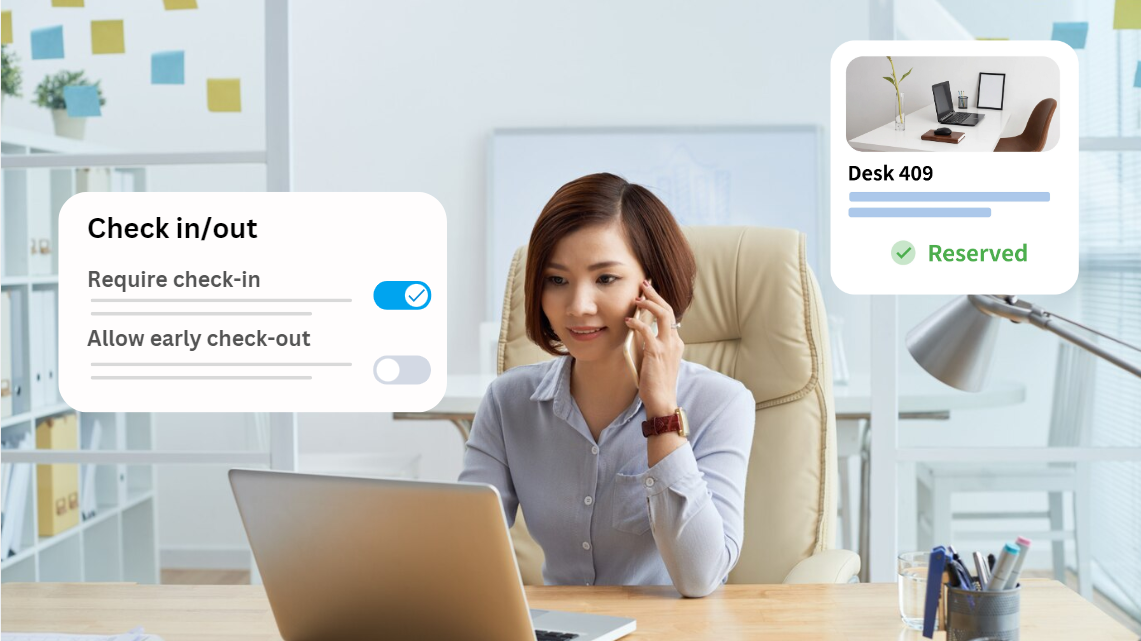
- Check-In Features – Automatically release unused rooms back into the booking pool to maximize space usage.
- Automated Reminders – Reduce no-shows by prompting participants to confirm or cancel in advance.
- Data-Driven Insights – Analyze room usage trends to better allocate resources.
- Fair-Use Policies – Guidelines for booking duration and advance notice keep access equitable.
- Flexible Room Layouts – Adapt spaces for different types of collaboration, from brainstorming to presentations.
Where Offision Fits In
In many forward-thinking workplaces, these strategies are powered by platforms like Offision—a smart workspace management solution that blends room booking, usage analytics, and flexible space management into one seamless experience.
By providing real-time availability, automated reminders, and integrated check-in features, Offision helps organizations not only avoid booking chaos but also create an environment where meetings run smoothly, participants stay focused, and spaces are used to their full potential.
In 2025, the most effective meetings are not just well-run—they are well-prepared from the moment they’re booked.
With the right strategies and tools, your team can turn every meeting into a productive, purposeful, and positive use of time.
Leave a Reply